


I have been putting off doing estate planning for far too long but finally reached out to Alyssa Myers at Hoffman & Associates. Alyssa was incredible to work with. The entire staff at Hoffman & Associates were friendly and professional and made the experience as easy as possible. I highly recommend them.

Marcus K
Unfortunately we all get put into positions beyond our control, and becoming an executor for a loved one who passes away is one of those times. Alaina Davalos and the estate planning team at Hoffman & Associates did a great job explaining what our duties are as executors and how to navigate through all of the legal hurtles an executor has to do in order to fulfill the wishes of your loved one. The entire team was at our disposal, they were on top of all the necessary legal filings with the court and following up with the court clerk to help move things along. I would highly recommend engaging this law firm for all your estate planning needs.
Leonard Tambasco
Chuck Hampton has been my lawyer for over 30 years. I could not be more pleased with him. He has prepared legal documents for me, handled family related cases on two occasions and provided estate planning with regard to legal issues. I could not recommend him more highly. He has a professional, competent and friendly staff which makes the experience all the more enjoyable.
Nancy Hollister
We had a wonderful experience with Alaina Davalos, Hunter Moreland and the Hoffman & Associates team when we recently updated our Wills & other Estate Planning documents. Alaina did a very thorough job during our initial meeting with her. Her knowledge and taking the time to understand our situation made us feel at ease. When it came time to execute our documents, Hunter was amazing! He again made sure we understood all components of our estate plan before we signed. They were a great team to work with and very efficient!
J D
I am grateful for your concern, efficiency, knowledge and kindness.
Patricia Sarnie
This review is coming my parents Carl and Zandra T. who had the pleasure of working with Juliann Findling. Juli is one of the nicest and loving individuals you'll ever find.
I was told she is as beautiful on the inside as she is outside. She is highly recommended and worked diligently to provide us the answers we needed. Very impressed and grateful for your time and efforts Juli. Everything done efficiently and with professionalism. Thank you so very much!!!
Zenita Thomas
I needed an estate lawyer in Atlanta and had a good recommendation for Hoffman and Associates. I couldn’t be any more pleased with the professionalism and commitment that this firm has shown.
Mike Shuford
For the second time, my will arrangements have been very easy. The entire staff is so friendly and helpful. Definitely recommend them for all legal needs!.
Marsha Clark
I would like to express my appreciation to Hoffman & Associates for assisting my firm recently in a Tax Controversy that occurred 5 years ago through no fault of my firm. The continued diligence of Tabitha Relota was instrumental in resolving this to our benefit. I highly recommend the firm for future tax needs.
Jo Ann Tuttle, CEO
JAT Consulting Services, Inc.
Jo Ann Tuttle

24
Apr
IRA Income Tax Savings Opportunities After Death
Individual Retirement Accounts (IRAs) require special attention in estate planning. Without proper planning, beneficiaries may

14
Apr
If You Own a Business and Die Tomorrow, What Happens?
It is one of the most important questions you can ask. And the reality is

03
Dec
Estate Planning after the One Big Beautiful Bill Act (OBBBA)
Over the last decades, the focus of estate planning has been to minimize the federal

02
Dec
Are You Maximizing Your Tax Savings?
Year-end tax planning is upon us! As we approach the new year, many clients are

05
Nov
What Divorce Really Does to Your Estate Plan (Hint: Not Enough)
Divorce is one of life’s biggest turning points — emotionally, legally, and financially. And while

28
Oct
Unmarried? Estate Planning is Even More Important for You
When people think about estate planning, they often picture married couples with children, joint bank

Michael W. Hoffman
CEO / Managing Partner

Joseph B. Nagel
Partner
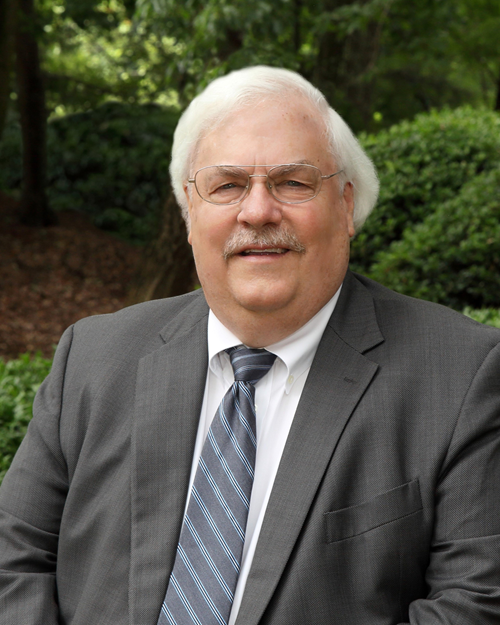
Charles J. Hampton
J.D., LLM, Of Counsel
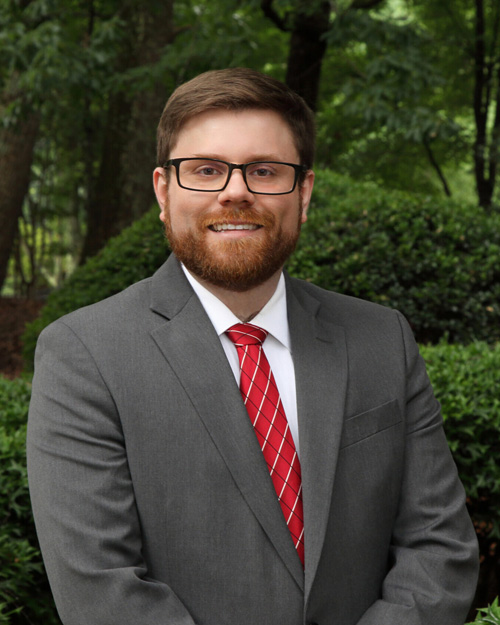
J. Hunter Moreland
Partner
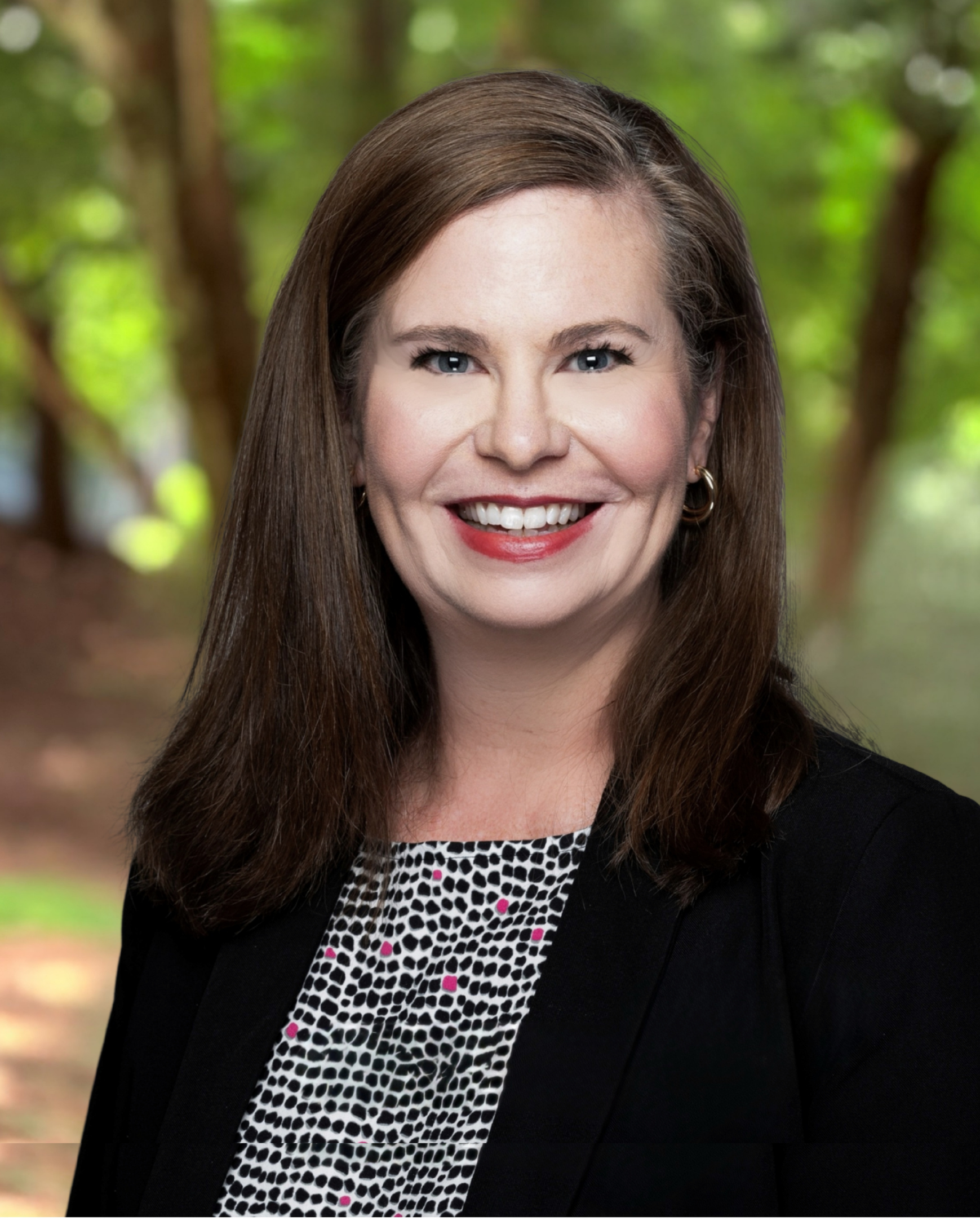
Joy Boster Harter
Associate
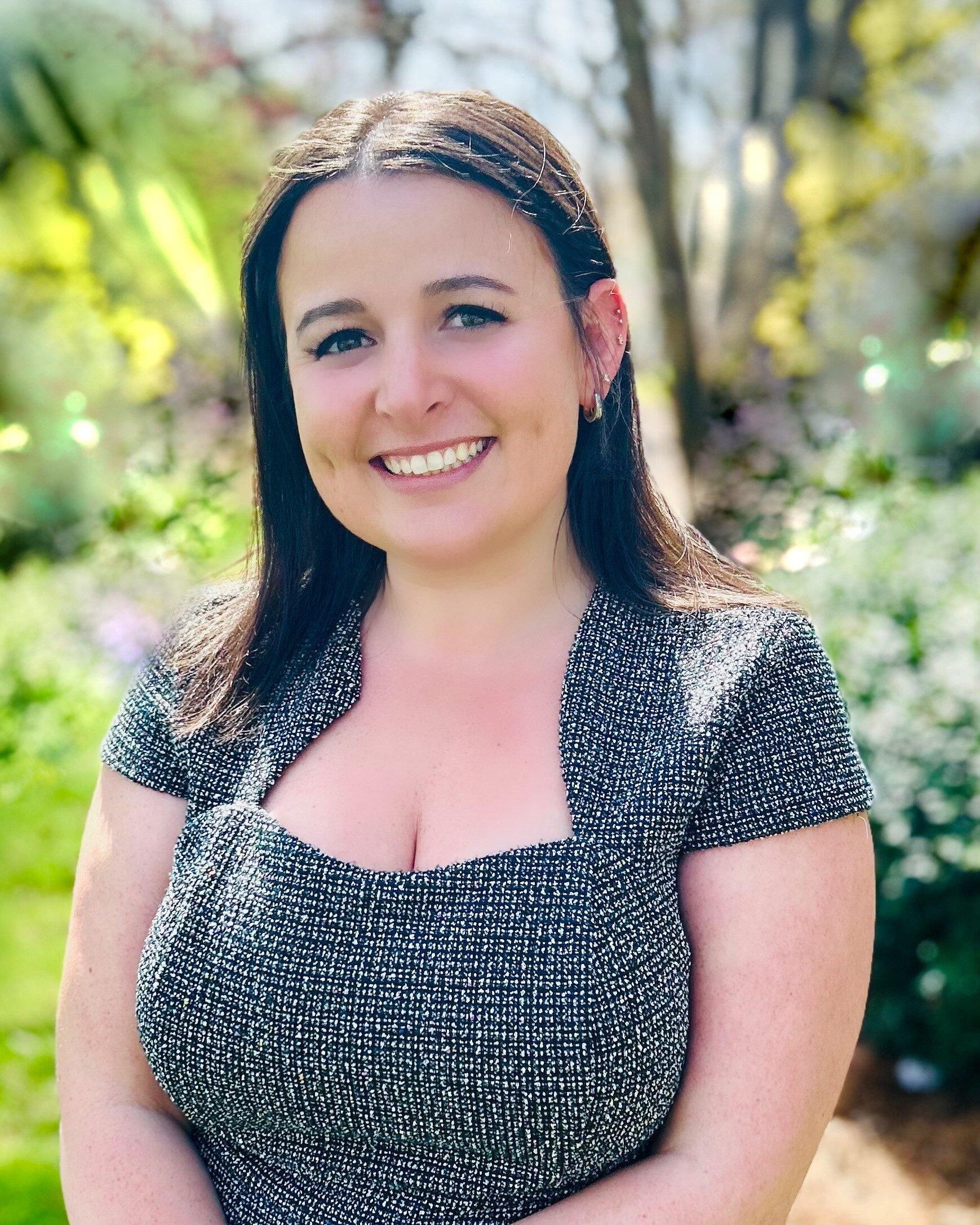
Sarah C. Offner
Associate
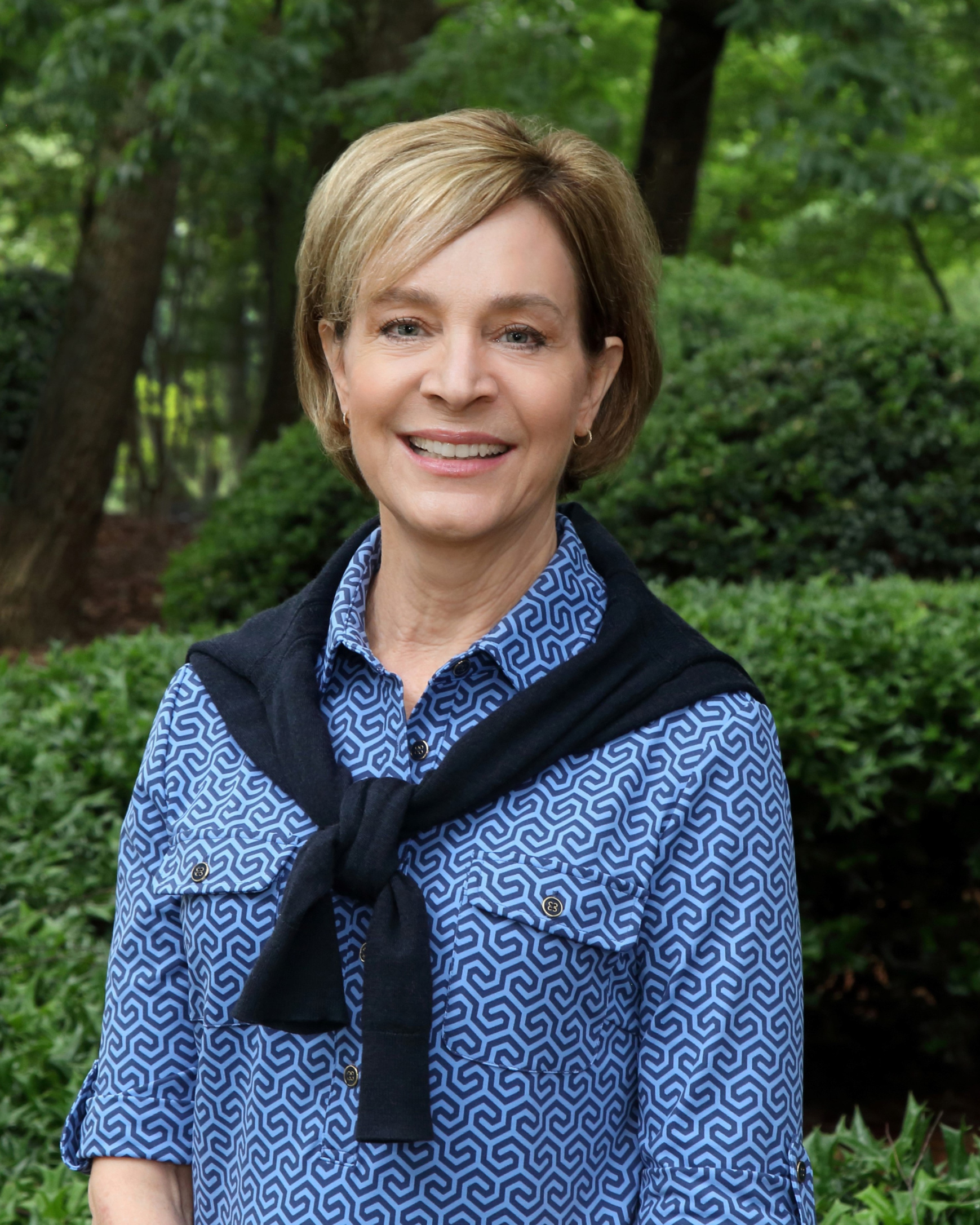
Juliann M. Findling
Senior Paralegal
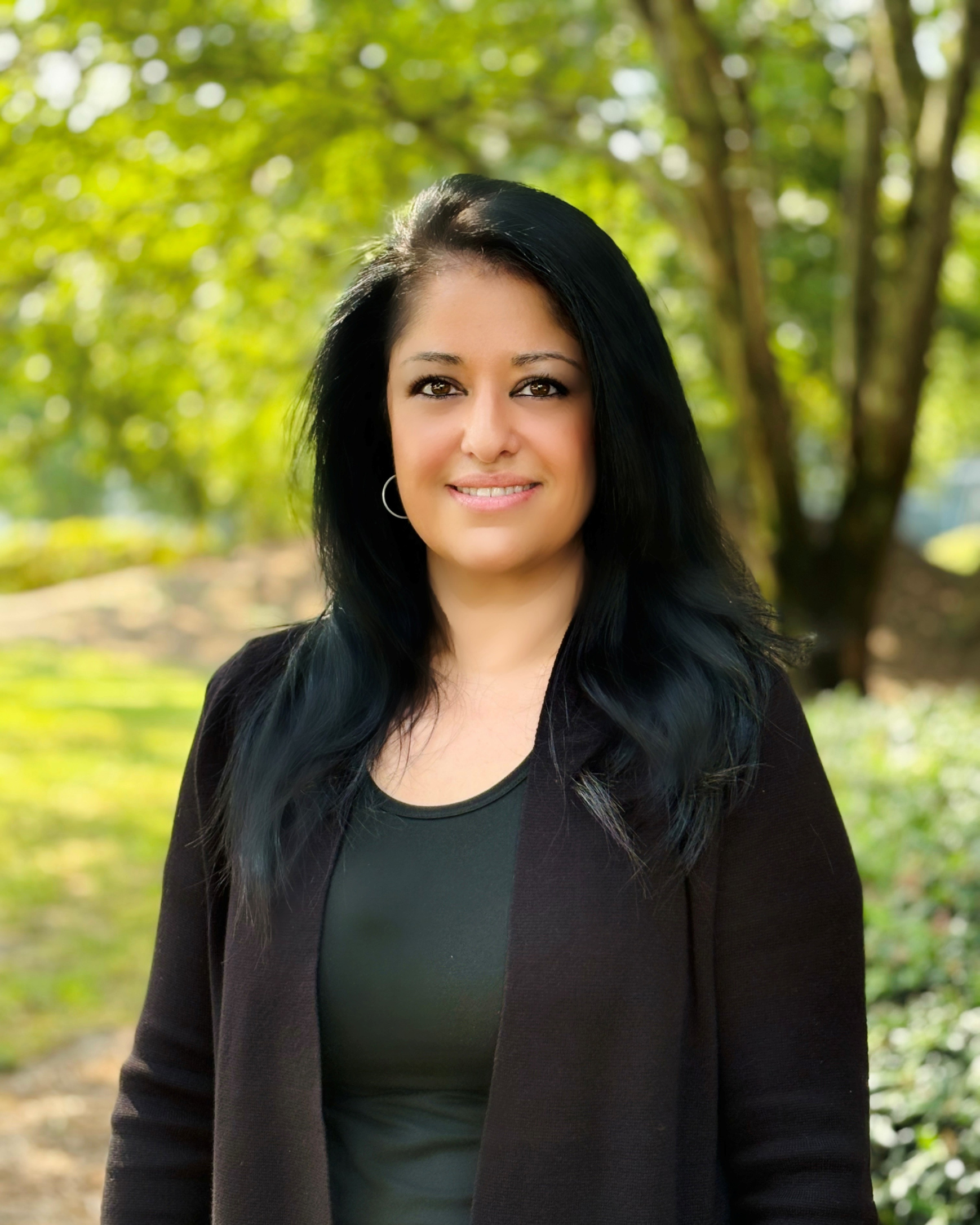
Tasha Karamipour Alam
Paralegal
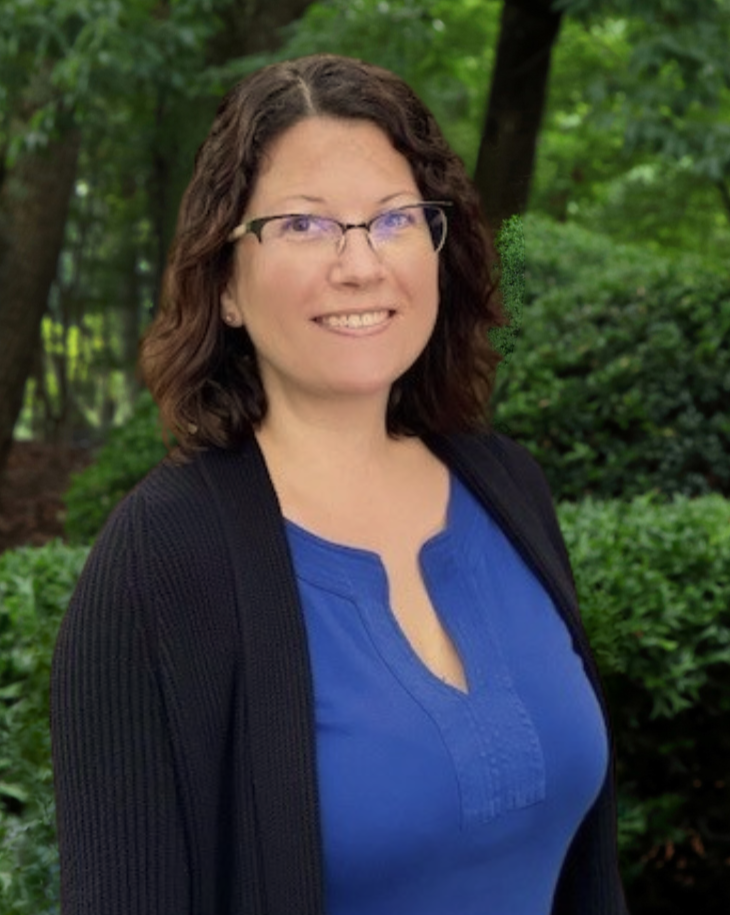
Alison L. Wilson
Paralegal
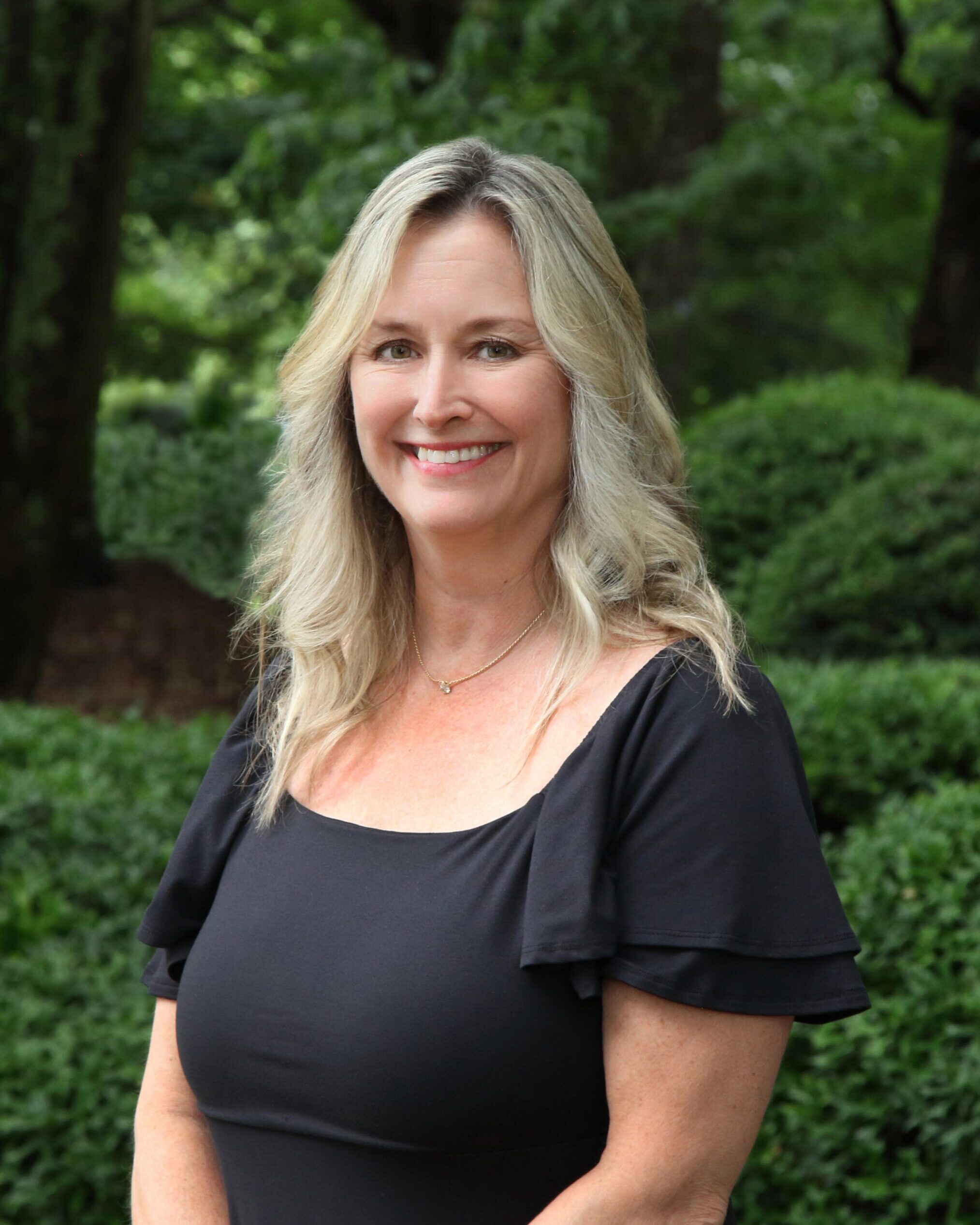
Kelly E. Klinzing
Paralegal
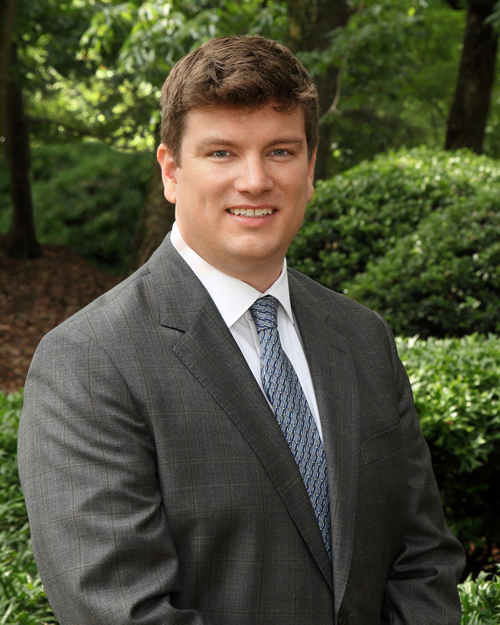
Robert W. Hoffman
Tax Manager
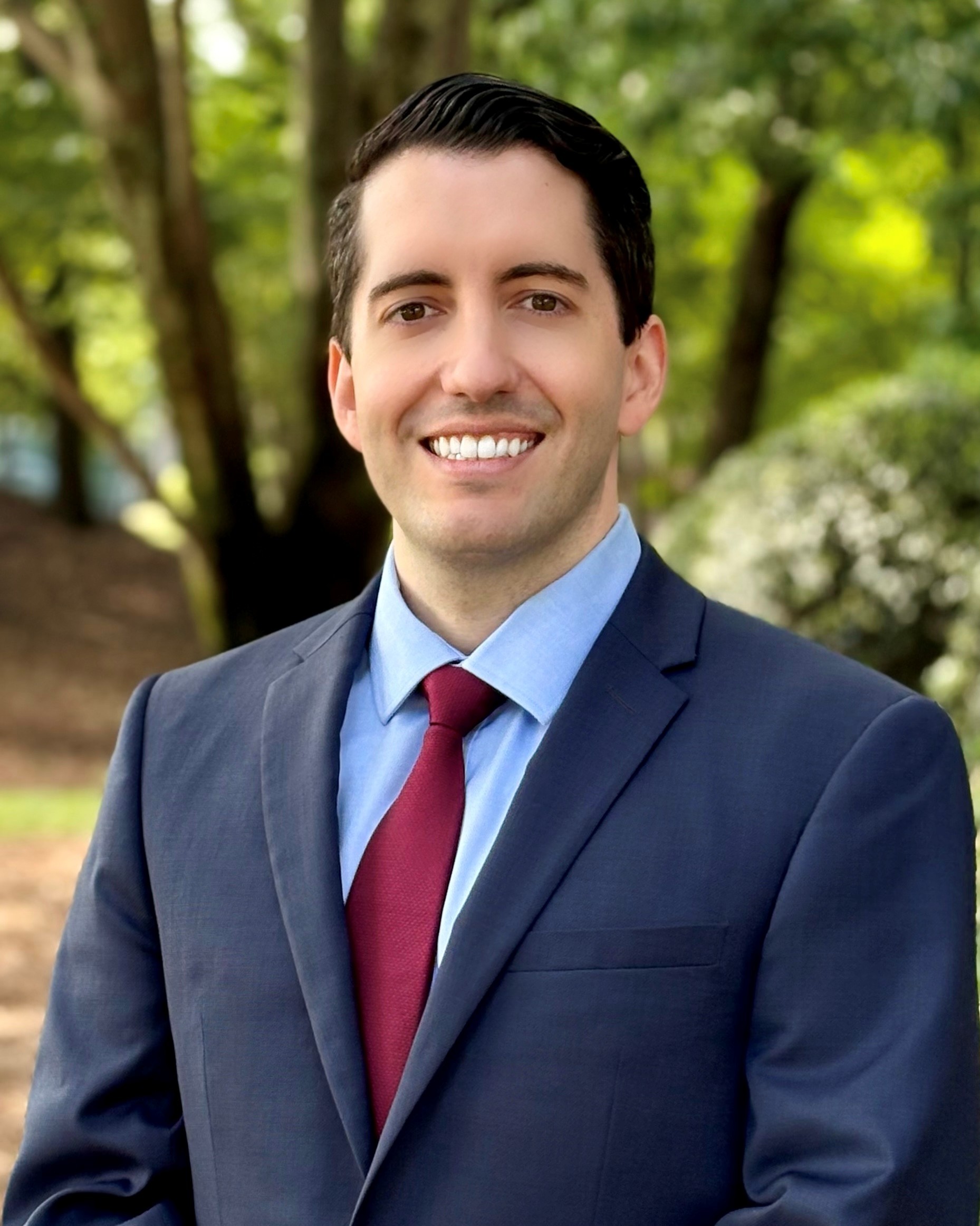
Patrick K. Barry
Associate Attorney

Douglas J. McAlpine
Senior Counsel (Retired)
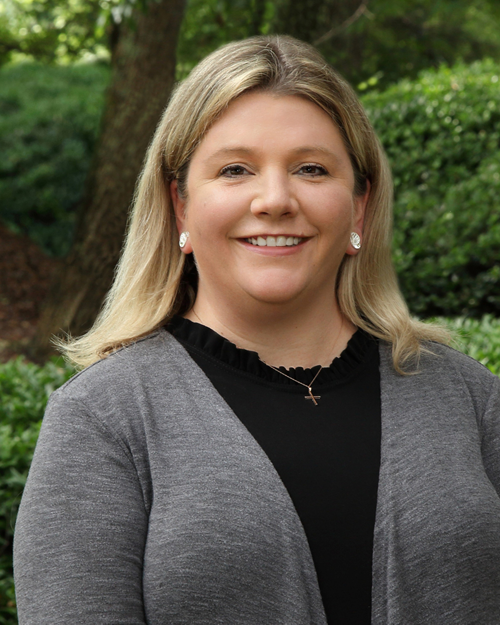
Tabitha E. Relota
Tax Accountant
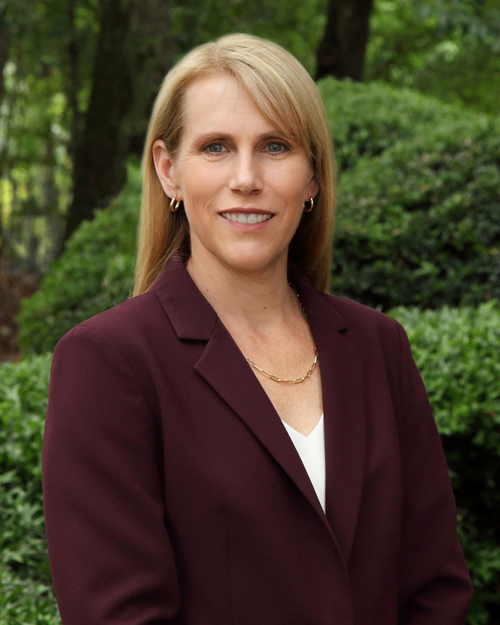
Amy D. Reeves
Tax Accountant

Robert H. Schoonover
Tax Accountant
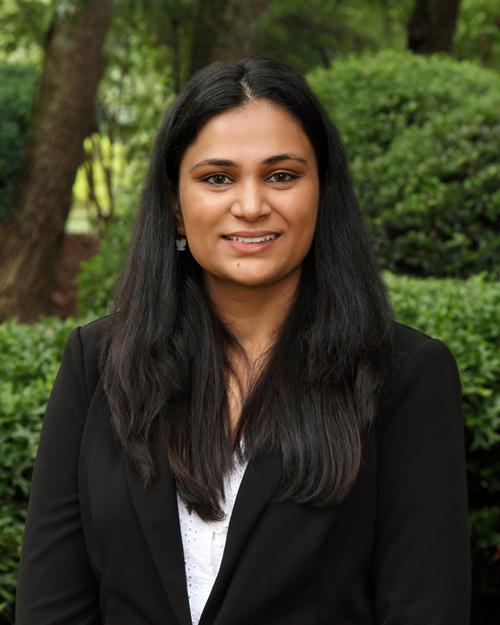
Krupa S. Patel
Tax Accountant
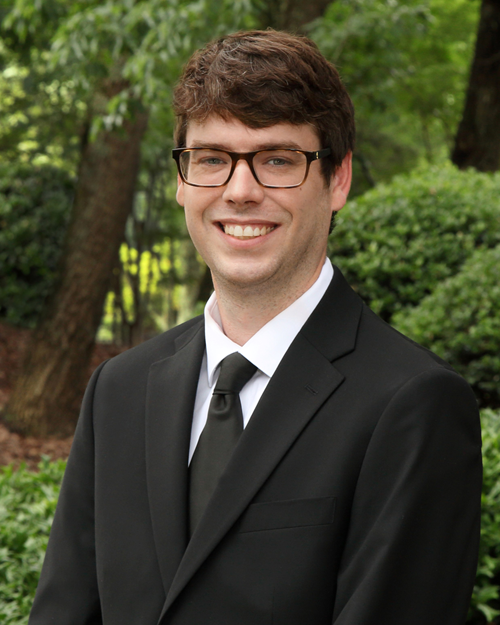
Adam M. Mullis
Tax Accountant
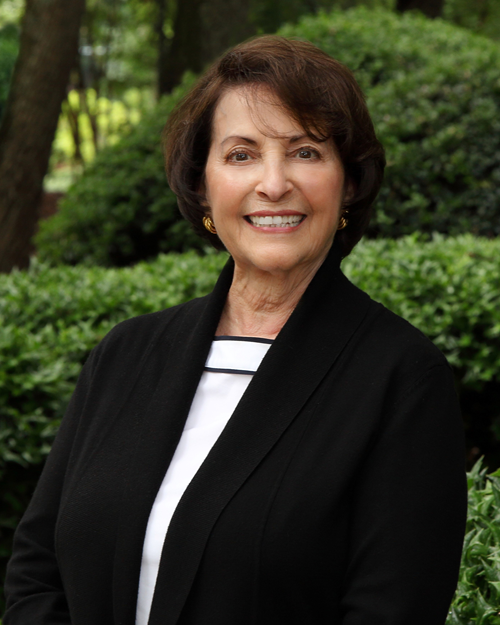
Pat R. Plumer
Legal Assistant
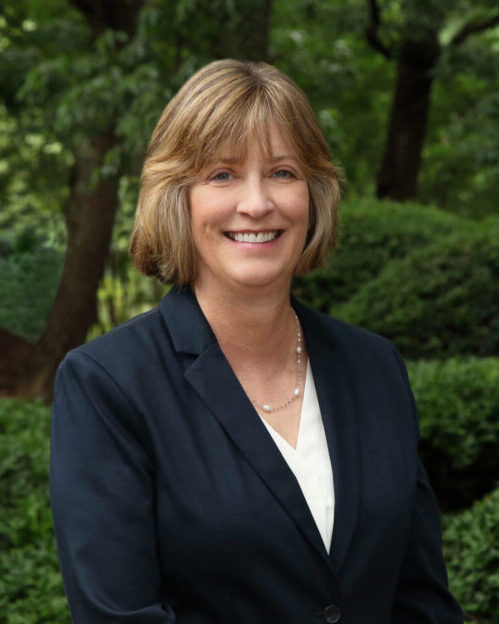
Cathy G. Ottley
Office Manager
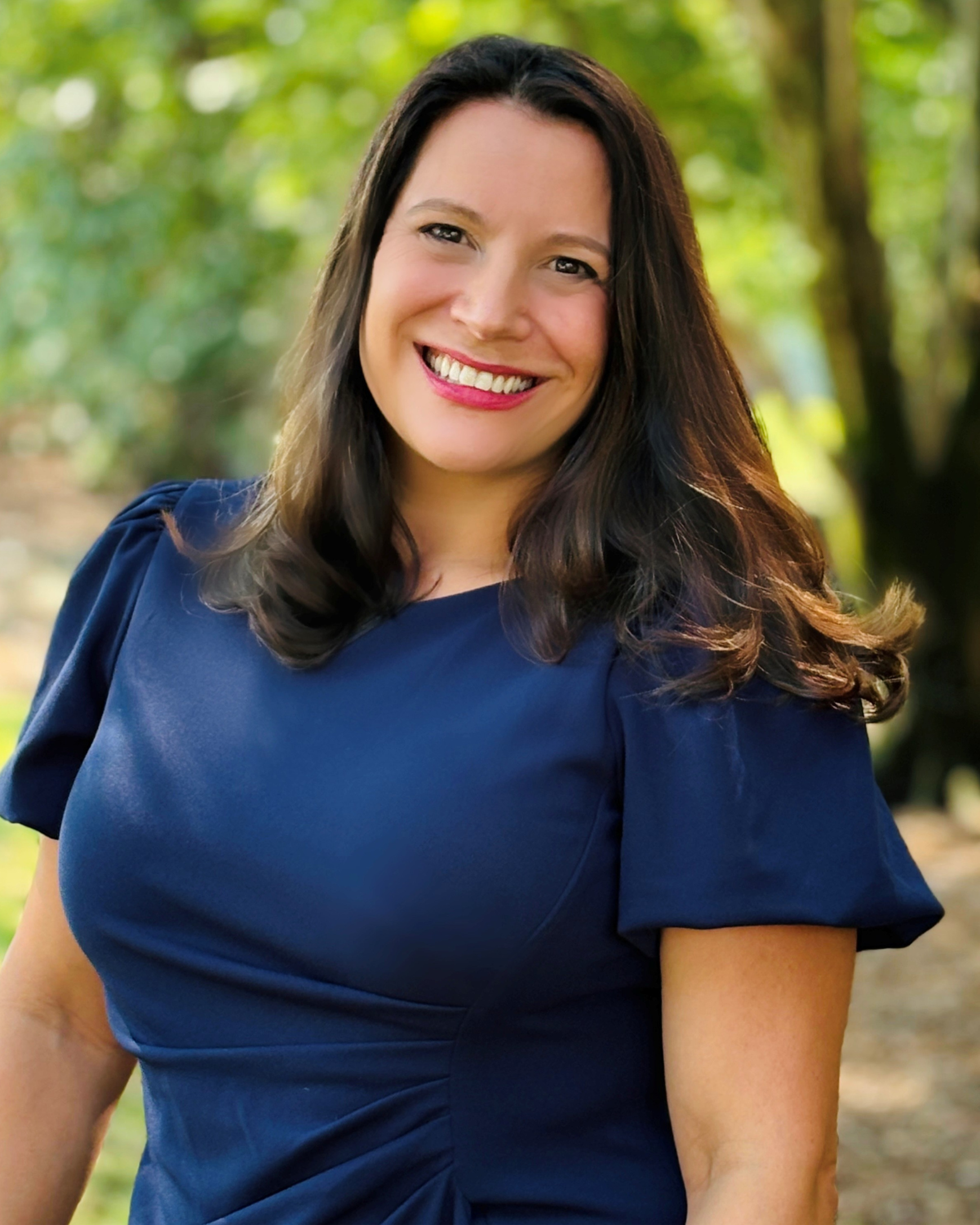
Suzanne G. Dolan
Sr. Operations Specialist
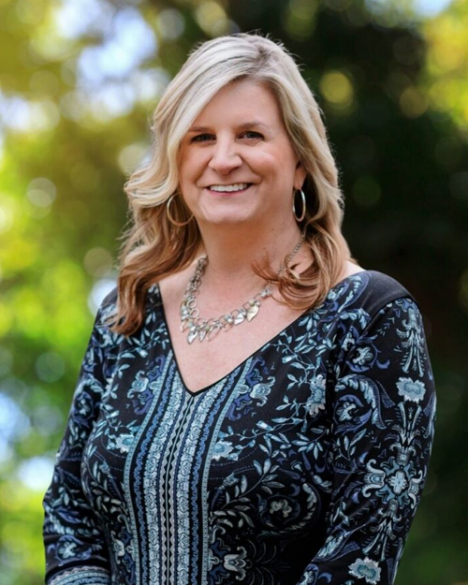
Pam Attridge
Admin Assist & Receptionist